
Difference between Boundaries and Walls
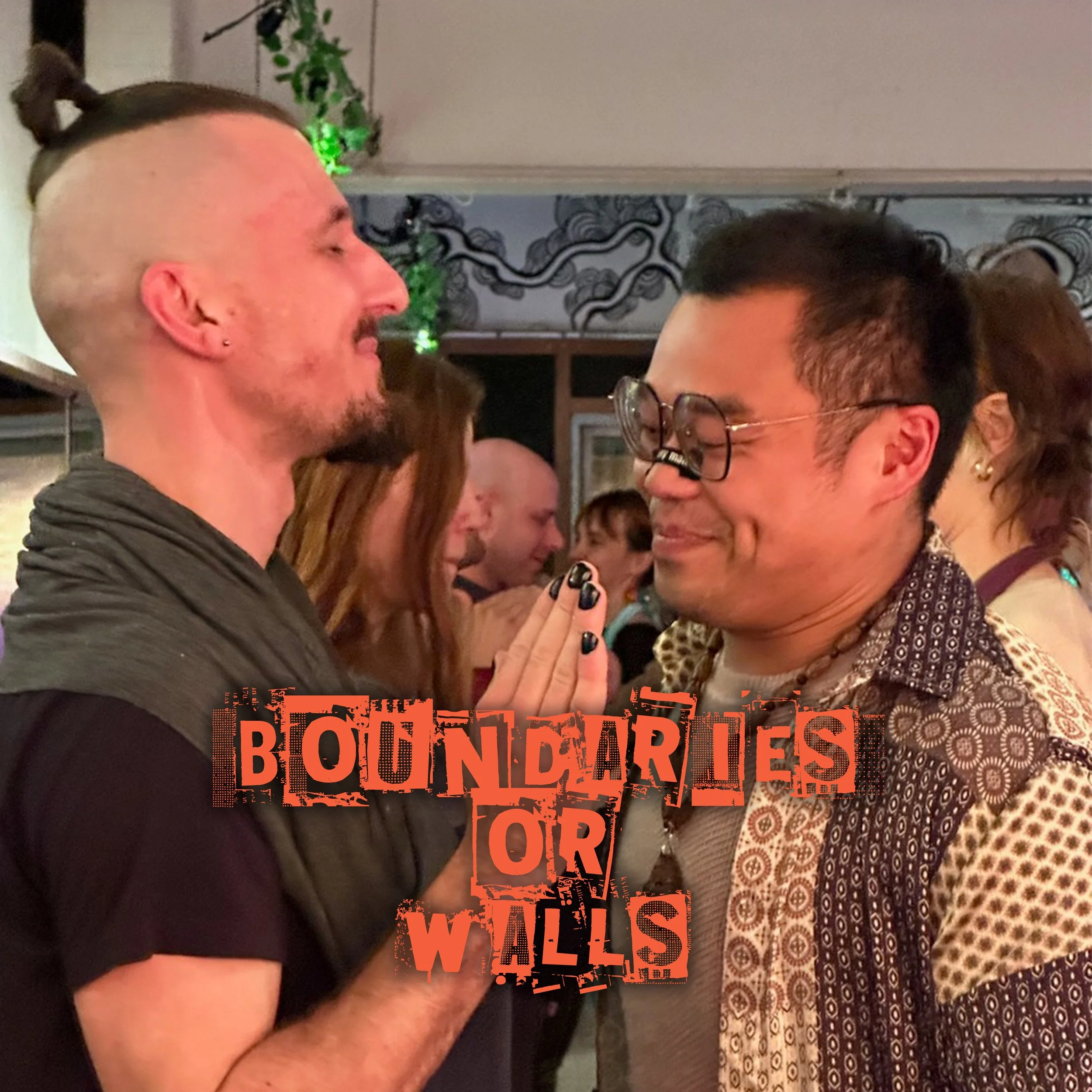
I’ve been reflecting a lot lately on the difference between boundaries and walls.
For much of my life, I’ve had walls up. They were protective mechanisms, armour built from past hurts and conditioning. And they did their job, they kept me safe. But they also kept me stuck. Because while those walls kept pain out, they also kept love and connection out.
That’s the paradox of walls: the part of me that craves closeness and trust ends up creating more disconnection by shutting people out. The scared, untrusting part wants to avoid being taken advantage of… but it ends up isolating me instead.
I’ve learned that boundaries are completely different. Boundaries don’t shut people out, they show them the way in. They let people know this is what I need to feel safe, respected, and cared for.
And when we express boundaries with clarity, kindness, and self-respect, people often respond well. Boundaries honour both sides, because they invite real consent, not obligation, keeping us in integrity.
You can feel the difference in the energy of boundaries vs walls: Boundaries are open, rooted in trust. Walls are closed, wrapped in fear.
Boundaries invite connection while protecting your heart. Walls protect too, but at the cost of intimacy.
I’m learning that boundaries are love and trust, for myself, and for the people I want to be in real relationship with.
Breaking Open: The Messy Path to Becoming Authentic

For most of my life, I was terrified of opening up. I was so afraid of the flood of emotions. I thought they would drown me if I let them out. So I played it safe. I pushed it all down. I became a chameleon, blending into my surroundings, moulding myself into what I thought others wanted me to be. I wasn’t really living, I was just surviving, stuck in a numb state.
I didn’t know myself because I wasn’t feeling my body. I was following logic and other people’s expectations, seeking external validation but never my own truth. I was trapped behind a mask of control, people-pleasing and perfectionism, trying to keep it all together. But the emotions I was trying to escape still found ways to erupt, through anxiety, through bursts of rage that I couldn’t contain anymore. I was a pressure cooker, waiting to blow.
The thing I was really blocking by not feeling was growth. The real me... raw, unfiltered, unpolished... was desperate to be seen. To be loved as I was, not as I thought I needed to be. At some point, I couldn’t stay closed anymore. I cracked open. It was messy, ugly, and honestly the hardest thing I’ve ever done. But I wouldn’t change it.
Growth doesn’t happen in straight lines. It spirals through dark, shadowy pits and then lifts you into skies so expansive you can hardly believe you made it there. Allowing myself to be imperfect gave me more freedom than trying to control ever did. I realised that by numbing myself to pain, I was also numbing myself to joy. When I surrendered to the fullness of my emotions, I found safety and I found myself.
Now, I’m not as scared of being seen. I’m not as consumed by anxiety or driven by the need to be perfect. I can be messy and beautiful and real, without worrying so much about what people think. I feel safe and free in my own skin. I’ve let go of the masks and the layers that were never mine to hold.
I’d choose this honest, unfiltered version of me over perfection any day.
That’s why OUTSPOKEN has become so special to me, to Giddy Garden and to the other brave humans who have stepped onto that stage. It’s a space where we can crack open, speak our truths, and be seen exactly as we are... unfiltered, messy, and real. It’s a place where stories that are often hidden find a voice, and that vulnerability is met with acceptance. It truly is a magical container that we’re proud to have created. 🌱✨
Make Space for Play Again
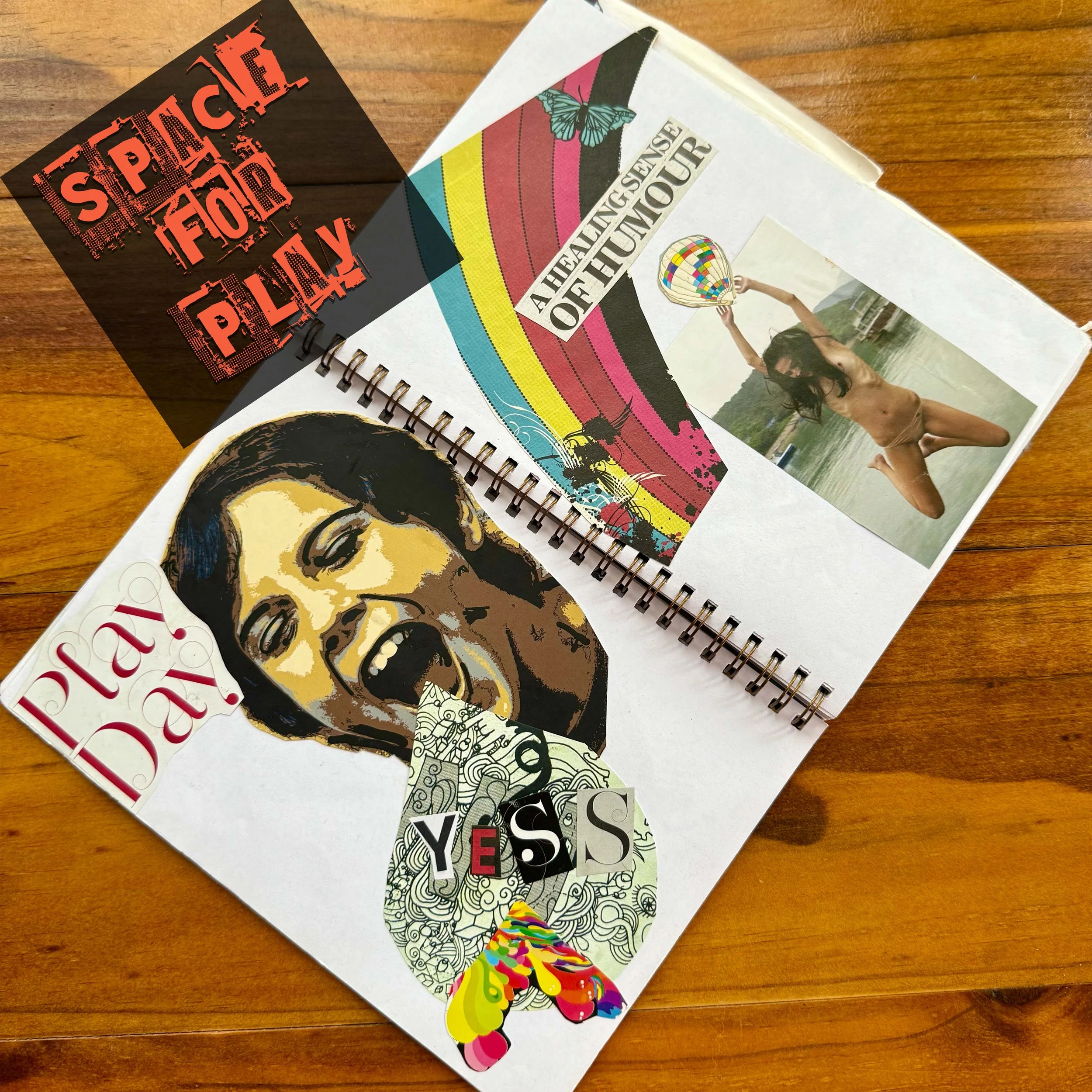
Life can get pretty serious sometimes. Responsibilities, routines, expectations and it can feel like there’s no space for play. But what if we changed that?
How can we bring small acts of joy and pleasure into our every day and let our inner children come out to play?
✨ Here’s some examples of how to bring play back into your life but there are so many possibilities:
🌱 Dance Like Nobody’s Watching
Put on your favorite song and dance wildly for one song. Let your body move however it wants, no choreography, just freedom. The weirder the better. Move in ways you never have before. When we move in novel ways this creates new neural pathways, improving coordination, balance, and overall brain function. Breaking habitual movement patterns trains your brain to think in new ways, encouraging more flexible, original thinking.
🌱 Create a Tiny Piece of Art
Doodle, paint a rock, cut up some magazines and create a collage or make a composition by laying out whatever’s on your desk. It doesn't need to be pretty. Leave your perfectionist out of this and create for the sake of your inner child. Allow whatever comes out and leave judgement and self critism outside. It's about how it feels to create not about a beautiful outcome.
🌱 Build a Blanket Fort
Create a cozy space just for you. Or invite a friend over and do it together. We would love it so much if someone did this in their workplace. Have fun hanging out in your beautiful new sanctuary.
🌱 Ask someone to do a swap story with you
Find someone to do a swap story with (maybe you could even be brave and ask the person close by in the cafe). My sister and I would do swap stories a lot as children and they were so joyful. The idea is that you write a sentence or a paragraph and then give the piece of paper to the next person to complete the next line (or paragraph). It's amazing where they can lead and they can just be silly and non-sensical and that's totally ok. Again, let that part of you that wants it to be a masterpiece take a back seat.
🌱 Do a Silly Walk for 30 Seconds (or longer if it feels good and you get pleasure from it)
Make up your own ridiculous walk, moving in a way you maybe never have before. This could be in a public place or somewhere just for you. The exhibitionist in me loves the idea of doing this on a public street in Melbourne. I get fearcitement (fear and excitement) just thinking about it. Even better… dress up for it. It always adds an extra layer of fun.
🌱 Create your own life musical
Narrate what you are doing in Song for 5 Minutes (or whatever time feels good for you). Make your everyday tasks a musical!
What were the things you loved doing as a child?
Go fly a kite, go to the playground and jump on the swing, build a sand castle, have a pillow fight, roll down a hill. You may feel self conscious but do it anyway!
🌸 Why Play Matters:
When we play, we break free from rigidity and reconnect with joy. We let our creativity breathe. We find pockets of wonder in the everyday.
Building Trust, Safety, and Respect for Yourself and Relationships

I’ve been listening to Stephanie Rigg’s brilliant On Attachment podcast and doing her Healing Anxious Attachment course and it’s been wonderful. As someone who leans towards anxious attachment, I’ve found her approach refreshingly compassionate. She doesn’t make any insecure attachment style “the bad one” (avoidant attachment often gets unfairly demonised). Instead, she helps you see these patterns for what they are: coping and protective strategies you developed to stay safe in relationships. They’re not “wrong,” but they might not be serving you anymore. And hwer work shows you that you can rewire them.
One of the things I love most about her work is that she focuses on building safety and trust in yourself, so you’re less dependent on external reassurance to feel okay. Here are some of the tools she shares for feeling less anxious and more secure in relationships:
✨ Self-soothing & nervous system care
Learning to calm your body when you’re triggered, so you can respond with compassion instead of reacting from fear. This could be as simple as deep breathing, grounding yourself in your senses, or moving your body to release tension. It’s so common to hear avoidant, anxious, or disorganised attachment talked about as if one is “better” than the others, demonising particular insecure attachment styles that might challenge you or differ from your own. I've been there! But let's re-frame this. These are not flaws. They’re coping and protective strategies we learned in childhood. They are ways we adapted to the dynamics of our families or other relationships to feel safe.
Now as adults, those same strategies play out in our relationships. That doesn’t make us villains. It makes us human.
The real shift happens when we stop pointing fingers at our partners and start taking accountability for our own part. When we notice our patterns, bring awareness to them, and choose to update the ones that no longer serve us. That’s how we build self-trust, and eventually, more secure and connected relationships.
Blame and shame only make us more defensive and closed (and our partners more defensive and closed). Curiosity and compassion open the door to understanding each other’s perspectives and ourselves. None of us asked for these attachment strategies, but it is our responsibility to bring awareness to and change them if we want to create healthier, thriving connections.
We are not here to repeat the old stories of silence, suppression, and “don’t feel.” We are here to do it differently, to meet ourselves and each other with care, and grow together. 🌱 ✨ Validating your own feelings
Instead of seeking constant external approval, practise telling yourself “My feelings are valid. I can trust my internal experience.” This builds self-trust and makes you less reliant on others to confirm your worth.
✨ Integrity-based decision-making
Making choices from your values helps you feel aligned and empowered, rather than chasing approval or safety through people-pleasing and behaviours that don't feel aligned.
✨ Distinguishing between anxiety & intuition
Anxious attachment can make every pang of fear feel urgent and true. Learning to recognise “This is anxiety” allows you to comfort that part of yourself, pause, and act from a calmer, wiser more intuitive place.
✨ Stretching your comfort zone in safe ways
Growth comes from trying new things, but not at the cost of overwhelming your nervous system. Find gentle edges to lean into, challenges that feel a little scary, but still safe enough to try. This builds confidence and resilience over time.
If you’re someone who struggles with anxiety in relationships, I can’t recommend Stephanie’s work enough. Her tools are both gentle and powerful, helping you move from reactivity and fear towards grounded, secure, deeply connected relationships.
Performer: @jaimeleewilloughby
Photo credit: @hmerlfoto
What We Stand For
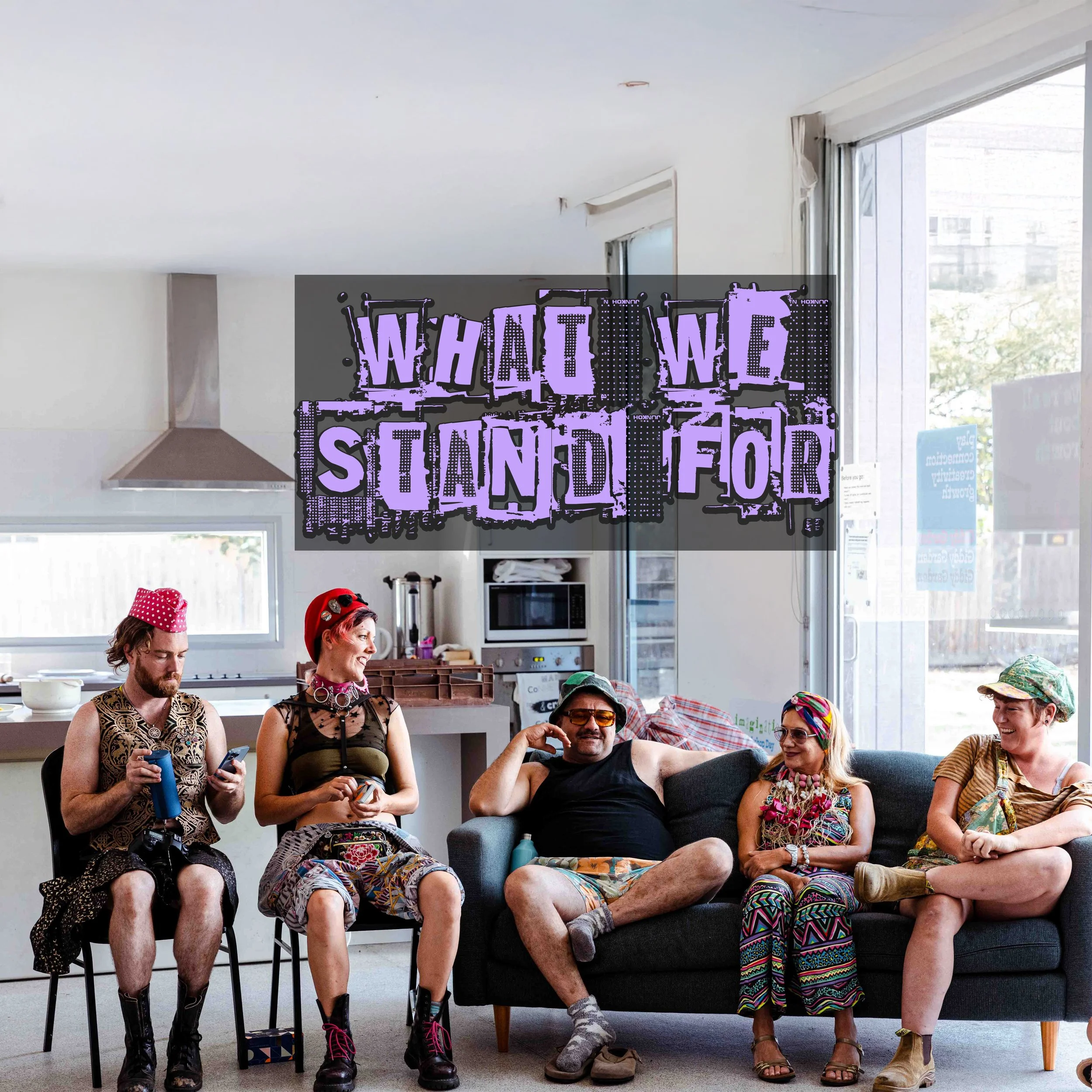
We believe in the power of play — that when we let ourselves be silly, curious, and spontaneous, we unlock parts of ourselves that have been buried under the weight of seriousness and self-consciousness. Play isn’t just for kids. It’s for anyone longing to feel alive.
We believe that connection is the heartbeat of community. That being truly seen and met as you are — raw, real, weird, wonderful — is one of the most human experiences we can offer each other. Connection isn’t about perfection. It’s about showing up, flaws and all, and knowing you’re welcome anyway.
We believe that creativity isn’t just for artists — it’s for everyone brave enough to try something new. To colour outside the lines. To write a story you didn’t know you had inside you. To dance your truth, sing your joy, or speak your heart, even when it’s messy. Especially when it’s messy.
We believe in growth — not as a polished, linear journey, but as a tangled, unpredictable process of becoming more ourselves. Sometimes growth means being brave. Sometimes it means resting. Sometimes it means leaving behind what no longer fits. And that’s okay. Growth means honouring our evolution, even when it looks nothing like we expected.
We believe in intentional community — spaces where you’re not required to perform or pretend. Where your presence matters. Where differences are celebrated and quirks are cherished. We believe that diversity makes us richer, and that healing is deeper when we are held by others who see our struggles and honour our journeys.
We believe in being unapologetically weird — because weirdness is magic. It’s the thing that makes you you. The world doesn’t need more conformity. It needs more brave souls willing to dance to their own rhythm, wear their quirks like a crown, and make life a little more colourful just by being here.
We believe in creating meaningful entertainment — not just shows that dazzle, but stories that resonate. Performances that move us. Moments that make us feel more alive, more connected, more human. Whether it’s spoken word, ritual theater, immersive storytelling, or a dance that shakes loose something hidden, we’re here to make art that matters.
We believe in allowing people to be where they’re at. To come as they are. To be met with non-judgment, acceptance, love, and trust. We believe that authenticity is a practice and that the more we practice it, the safer it becomes to be real.
We believe in creating a space where you can breathe, laugh, dance, cry, reflect, connect, and explore. A space where it’s okay to take up space. To make noise. To fall apart. To celebrate. To just be.
We believe that when we show up as ourselves, without pretense or perfection, we create something truly magical together.
Photo credit: Vas Chakra Photography
Letting Go to Make Space for Who You’re Becoming

We have great capacity for growth if we allow ourselves and give ourselves permission to be more of who we truly are. To change, bend, expand and shift. Sometimes that means reclaiming parts of ourselves that once felt too tender, too messy, too real to show. Other times, it means letting go of things that once felt essential, because they just don't feel aligned with our values anymore.
It’s okay to realise that something you once loved no longer serves you. Maybe a hobby that used to light you up now feels draining. Maybe an identity that kept you safe for years now feels too small.
Does it still feel aligned with who you are today? It’s normal to grow out of things. It’s natural to change. I acknowledge that change can also feel scary as hell so doing it at a pace that is comfortable for our nervous systems is also important.
I am a very different person than I was in my early 20s. Back then, I loved things that don’t resonate anymore, and I know that will keep happening as I continue through life. Maybe in 10 years, I’ll look back at what I love now and feel the same. And that’s okay. Life is too short to hold tightly to things that no longer align with who we’re becoming.
My interests change often because I’m always seeking new and exciting experiences. But I’m grateful I don’t force myself to hold onto things just because they once made sense. Letting go doesn’t mean you’re losing yourself. It means you’re making space for who you’re becoming.
Give yourself permission to move on. Give yourself permission to grow. 🌱✨
Performer: @connormalanos
Photo credit: @hmerlfoto
Define Your Own Pleasure
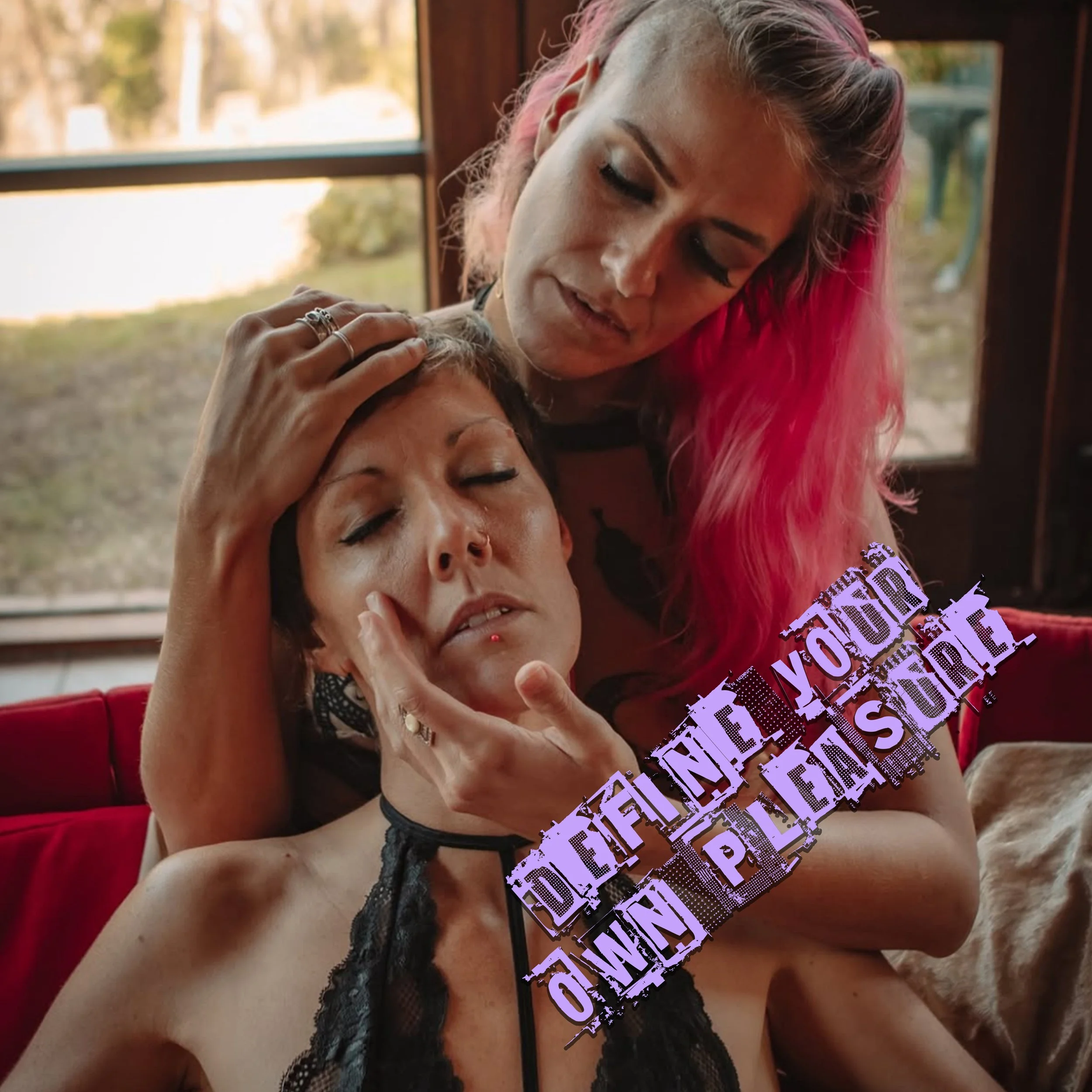
We hear it all the time: what “good sex” should look like, sound like, feel like. But there’s no single definition of “good sex” because it’s deeply personal.
So many of us get tangled in myths that make us feel inadequate:
✨ It has to be spontaneous and wild.
✨ It should always end in orgsm.
✨ It must be frequent to be fulfilling.
✨ It’s only good if it looks like a movie scene.
The reality is, “good s3x” can be:
🌿 Slow, gentle, and worshiping tenderly.
🌿 Playful, creative, silly, awkward, and full of laughter.
🌿 A conversation of bodies... exploring, pausing, listening.
🌿 Sometimes just holding each other, without any pressure to perform.
🌿 Centered on intimacy, safety, and connection, rather than performance.
The best way to have good sex? Define it for yourself. Tune in to what your body actually wants... not what you think it should want. Allow it to be messy, imperfect, and full of your own unique flavor. Talk about it, explore it, be curious about what gives you pleasure.
What makes sex feel good to you? When we let go of the pressure to “get it right,” we can actually relax into what feels true and be more in the moment. And that’s where the real pleasure lives.
Model: @velvetttempleeros
Photo credit: @ports_by_me
Lowering Walls by Being Open and Curious
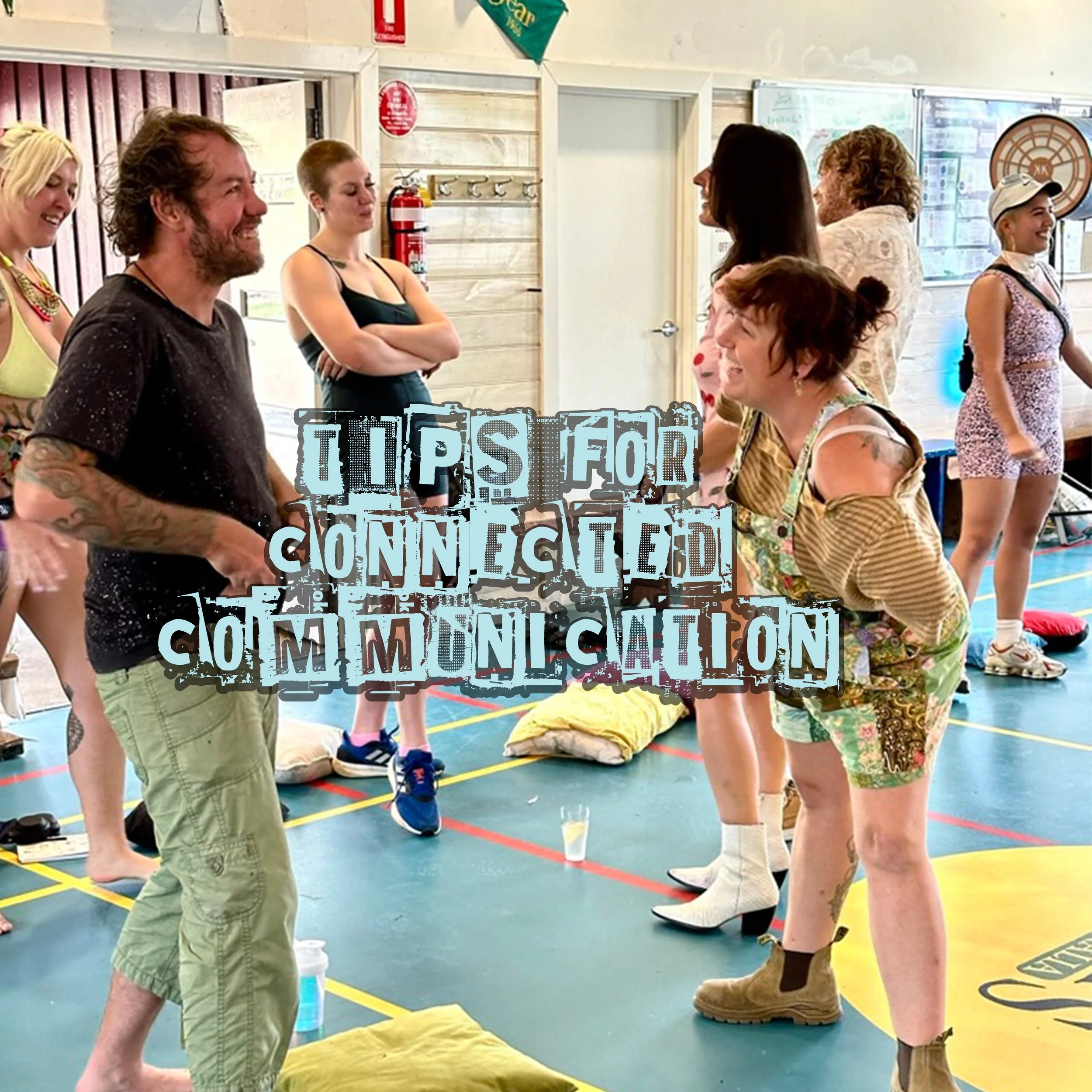
Sometimes the most powerful shifts in our relationships come from the smallest changes. Like learning to pause before reacting, or swapping “you never...” for “when this happens, I feel...” suddenly, a wall lowers. A moment of defensiveness softens. A little more of you gets to be seen without the noise.
I’ve been really connecting with the work of James “Fish” Gill lately.
He shares that when we step into conflict, both people are often closed off, protecting themselves, defending their side, unable to truly hear the other.
We don’t want to be the “bad guy,” so we sometimes can’t see our part in the dynamic. It is important for us to reflect on how we could show up differently and be more open and curious.
The shift happens when one person enters the conversation with an open heart, willing to understand where the other was coming from, even if they’ve caused us pain. When we speak from both our own experience, and our curiosity about theirs, something shifts. The wall comes down, and the other person often meets us in a very different place.
In his book How to Fall in Love With Humanity, he writes about taking someone out of the “villain” role and seeing them in their messy humanness, with their own coping and protective strategies.
We don't often want to hurt the other person but hurt, mistakes, and misunderstandings are inevitable in relationships. But our willingness to repair, to talk about ruptures, no matter how small, can make all the difference between shutting down and finding our way back to connection with each other.
The Magic of Play in Intimate Connections
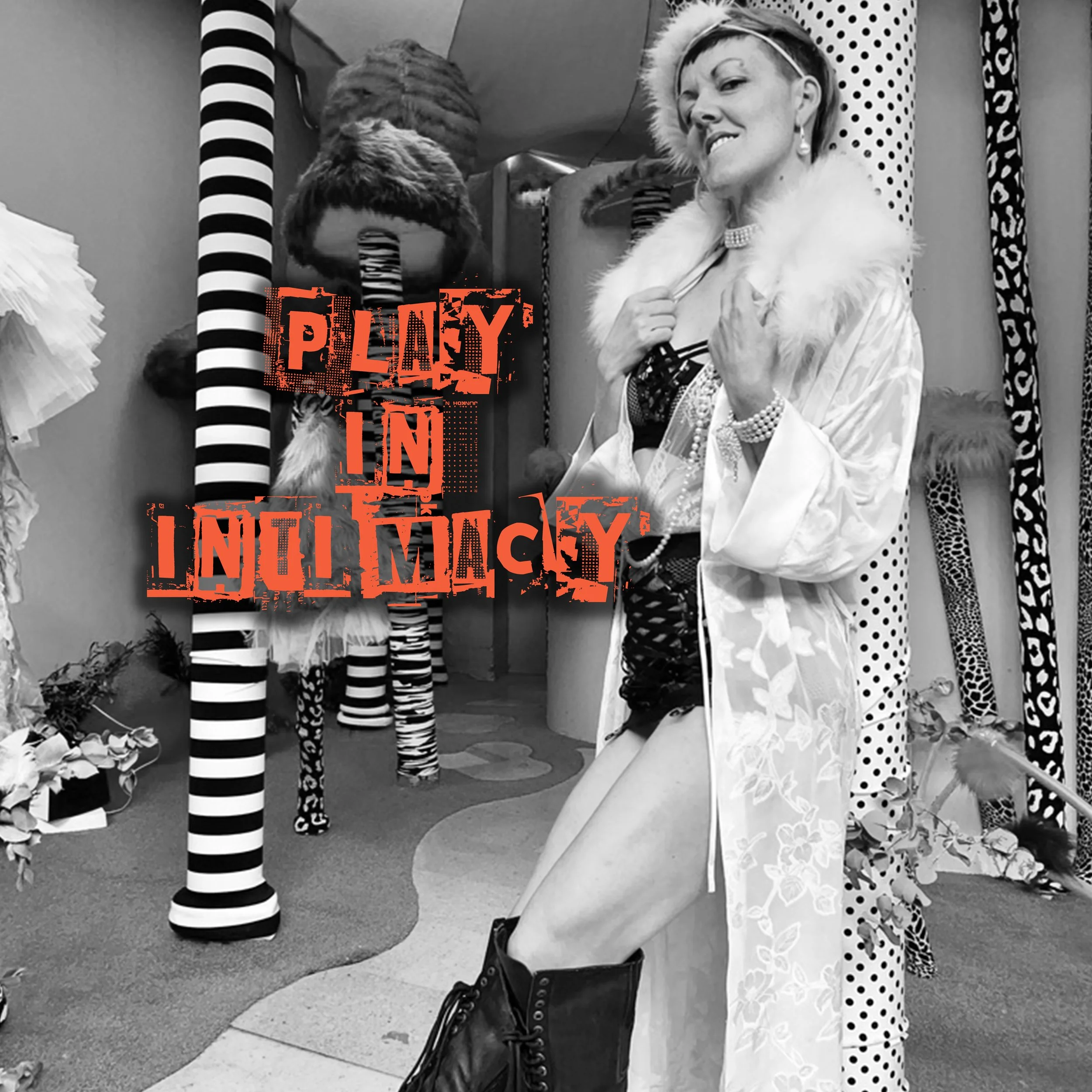
There’s something magical that happens when we invite play into our intimate connections.... not just in the bedroom, but in the energy between us.
Play dissolves pressure. It breaks the spell of performance. It brings us back into our bodies, into the moment, into laughter and ease.
So often, intimacy can feel serious, where we are in our heads, trying to impress, trying to get it right. But silliness is a shortcut to trust. When we allow ourselves to be weird, awkward, goofy, or creative together, we say: "I feel safe to be seen by you." And that is the foundation of real intimacy.
Here are some playful practices to try with a lover or someone you're building connection with:
🎭 Role-play ridiculous characters — a flirtatious sea captain, a seductive librarian.
🎶 Become a conductor — play music and use your partner’s body as your instrument: tap, stroke, swirl, strum and drum.
🎲 Create a jar of sexy/silly challenges — write down activities, dares, or fantasies, and take turns drawing from the hat.
👁️ Play the mirror game — one leads, one follows, with facial expressions, touch, or movement.
🎨 Make messy art together — finger paint, collage on big paper or body paint each other.
🎤 Create a nonsensical language — and try to “seduce” or “compliment” each other with it.
🍽️ Blindfold feeding game — try tasting and guessing different foods while blindfolded.
Play builds a bridge. It reminds us that intimacy isn’t just about depth, it’s about connection, delight and pleasure. And often, the most powerful connections are born not in perfection, but in laughter, weirdness, and the courage to be fully you.
Terrified and Brave at the Same Time
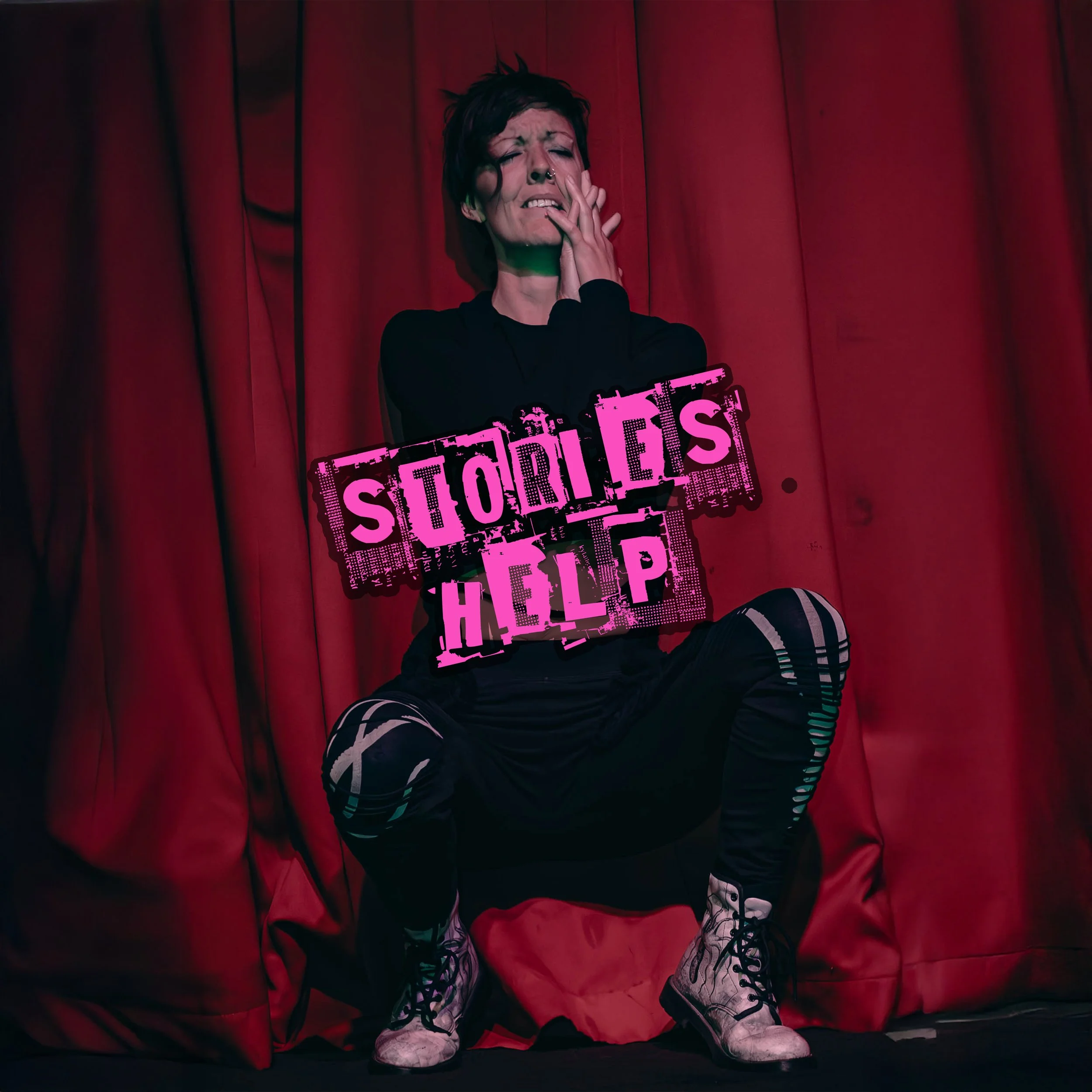
People often say I’m brave for getting up on stage and sharing my shame, grief, anger, and all the messy parts of being human. They see me standing there, vulnerable and open, and assume I must be fearless. But the truth? I don’t feel brave in the moment. I mostly feel terrified.
Before I speak, my mind is filled with doubts: Will I be judged? Will people see me differently? Will sharing this part of myself make me seem too much, too raw, too exposed?
But there’s something bigger than the fear... my intention. I ask myself: Could this story help someone else? Could someone hear the way I’ve overcome a challenge and find their own strength in it? Could it be the ember that stokes someone’s fire when they’re at their lowest?
And that intention pulls me through. Every time.
The more I’ve shared, the easier it’s become to let my heart be seen. But it’s been a journey to get here. I still sometimes wonder how it will be perceived, and I have moments when I question my own courage. Yet, the rewards have always outweighed the risks.
Through expressing my truth, I’ve unmasked the parts of me that once hid behind people-pleasing and the need to be liked. I’ve stopped moulding myself into who I thought others wanted me to be, and that feels pretty magical. I’m more at peace in my body, I move more freely, and I’m able to listen to my own wants and desires without so much second-guessing. Anxiety has softened, and I feel a deeper sense of love, trust, and safety within myself.
It’s not always popular. I’ve noticed that some people don’t like the growth they see in me or feel uncomfortable with the change. I’ve had to grieve relationships that couldn’t hold space for my new way of being. That’s been hard, but I wouldn’t change it. Because the alternative is to stay small, stay silent, and stay hidden. And I’m done with that.
The power of expressing myself more freely has given me a life that feels true, not moulded by external expectations, but guided by what my body and heart are telling me. Sometimes I still slip back into old patterns, but it’s happening less and less. This journey toward authenticity is ongoing, but it’s worth every uncomfortable step.
And if sharing my truth helps even one person feel less alone, more seen, or a little braver, then it’s more than worth it. 🌱✨
Noticing and Nurturing Invitations for Connection

Invitations for Connection can be the tiny, everyday gestures that hold relationships together, like glue you can’t see, but feel. An invitation can be as simple as a shared glance or taking a pause to hold each others gaze, a gentle touch, a loving smile that lights up your face as your beloved, friend or sister walks into the room, a “hey, look at this!” or a “can I tell you something that’s on my mind?” It’s any moment where someone is reaching out, not with the intent of getting attention, but for emotional connection.
And how we respond matters. Turning toward these small invitations, with your body language, your presence, a smile, a hand squeeze, tells the other person: I see you. I care. I’m here. Over time, these moments build trust, safety, and intimacy. When we consistently miss or dismiss these gestures, we’re not just ignoring the moment, we’re creating tiny rifts of disconnection that can grow wider over time.
Learning to notice and respond to connection invitations (and making your own) can completely shift the energy in your relationships. They don’t need to be grand gestures, it’s a bunch of the small stuff that says you matter to me.
The Warrior Archetype: Fierce, Clear, and Open-Hearted
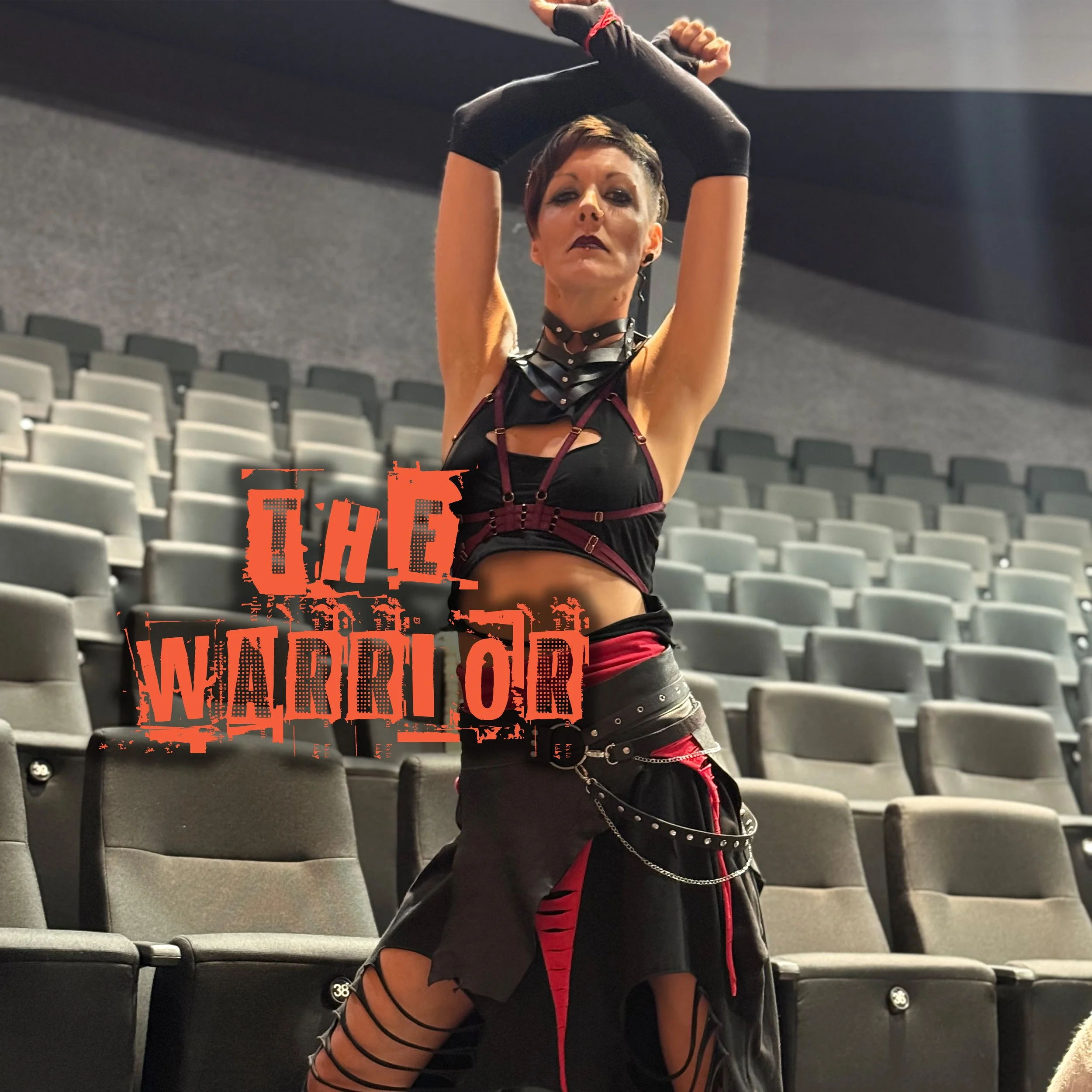
The warrior is not just a figure of battle, they are a symbol of courage, strength, clarity, and devotion. The warrior archetype lives in those who choose to rise... not in aggression, but in integrity. In those who learn when to draw a boundary, when to speak a fierce truth, and when to stand for something greater than themselves.
Warriors move not from ego, but from purpose. From a deep knowing of what matters and a willingness to act on that knowing, even when it’s uncomfortable.
The true warrior’s strength lies not in their armour, but in their discernment, their devotion, and their ability to keep their heart open while standing firm. A warrior knows the terrain of fear and takes the next step boldly and does not let fear lead. They do not seek war... they seek alignment. And they meet challenge not with domination, but with clarity, courage, and embodied truth.
My wish is that we can all embody the warrior within us: the part that protects what is important, that speaks when it would be easier to stay silent, that moves with precision and purpose. The part that is done shrinking. The part that knows how to fight for themselves and others with love as the weapon, truth as the flame and anger as a driver for change.
To embody the warrior is to remember that your fire is not too much. That your strength is not a threat. That your boundaries are important. That your body is wise. And that standing tall in who you are, especially when it shakes the ground beneath you, is a radical act of love and courage.
Holding Space Isn’t About Fixing

Holding space is one of the greatest gifts we can offer another person.
It’s more than just “listening.” It’s a conscious, intentional act of presence. It’s about creating a container where someone feels safe to be fully themselves, without needing to perform, explain, or be "fixed."
It’s not about doing it perfectly, it’s about showing up with your whole heart, your whole presence, and your willingness to let someone be exactly as they are, without judgment.
Conscious space-holding asks for our full awareness, stillness, empathy and deep care.
Here’s what I’ve learned about how to hold space consciously:
🌱 Check In With Yourself First
Before you offer support, ask:
➔ Do I have the emotional capacity to hold this right now?
➔ Am I grounded enough to stay present without making it about me? It’s okay to say no if you can’t.
True support is only real when it’s given freely, not from obligation.
🌱 Offer, Don’t Assume
Instead of diving in to "fix" or "solve," offer your presence:
➔ "Would you like me to just listen, or are you wanting advice?"
➔"Are you ok if I ask you some questions about this?"
Give them the choice. Let them lead.
🌱 Reflect and validate
Reflect or validate feelings gently.
Hold up a mirror so they can see themselves more clearly, without heightening the emotional charge or inserting your own story. Sometimes the most powerful thing you can say is simply:
➔ "I hear you. That sounds really hard. I'm here."
🌱 Stay with the Discomfort
We naturally want to rush to solutions because witnessing pain is uncomfortable.
But conscious space-holding asks us to stay, to resist the urge to tidy up messy feelings, to let the silences be heavy if they need to be.
Your calm presence is often more healing than any words you could offer.
🌱 Respect Boundaries (Yours and Theirs)
Just because someone shares doesn’t mean they want deep probing questions. Ask them if they are ok with you asking questions.
And just because you’re offering support doesn’t mean you have to sacrifice your own well-being if you feel that you don't have the capacity.
Sometimes they might appreciate a gentle, loving touch... a hand on their leg, their shoulder, or a hug... but it’s important to check in first, as physical contact can sometimes pull them out of their process.
The Witch Archetype: Remembering What Was Suppressed

A witch is not just a figure of folklore or fantasy... she is a symbol of rebellion, wisdom, and unapologetic existence. Historically, witches were often women who defied the norms of their time: medicine women, healers, midwives, and seers who held ancient knowledge about the body, the earth, and the cycles of life. They were women who understood the healing power of plants, who trusted their intuition, who lived outside the constraints of rigid social roles.
But their power threatened the structures that sought to control them. To be a witch was to be labeled dangerous simply for being deeply connected to one’s body, sexuality, and natural instincts. It was to embody a wildness that could not be tamed. It was to have wisdom that could not be silenced. And because of this, countless women were persecuted, burned at the stake, or shunned, not for doing harm, but for daring to be powerful and free.
The witch archetype reminds us of the cost of being fully ourselves in a world that often fears powerful women. It carries the legacy of those who suffered for their independence and sensuality, and it whispers to us to reclaim that wildness within. To live boldly, to heal ourselves and each other, to honour our sexuality as sacred, and to speak our truth even when it is uncomfortable.
To embrace the witch within is to acknowledge that your power, wisdom, intuition, and unapologetic presence are not something to fear and you are allowed to take up space. 🌱✨
Catching Myself Before Expecting Others to Catch Me

Have you ever unleashed your emotions onto someone without realising they weren’t ready to catch them? I have. And here’s what I’ve learned.
For most of my life, I’ve felt things deeply but in my family I learnt to push that down and supress.
When I began my embodiment journey, when I stopped pushing down feelings and actually let them surface, it was like a dam bursting. Thirty-something years of grief, rage, sadness, confusion... rushing up all at once. I couldn’t keep it inside. I had a tendency to overshare, to unload the heavy stuff onto whoever was nearest without first checking if they had the space for it. I wanted to tell someone... anyone... and most of the time, that someone was my partner.
But here’s the truth: It was too much. It wasn’t fair.
I hadn’t asked for his consent. I hadn’t checked if he had emotional capacity. I simply brought the storm mid-process mid-rawness without giving him a chance to brace himself or opt in. Unspoken boundaries were crossed, over and over.
And slowly, naturally, he pulled away. He put up walls. Because it’s overwhelming to be someone's sole emotional container without permission or choice.
Looking back now, I understand: It wasn’t that he didn’t love me. It wasn’t that he didn’t care. It was that I was demanding emotional labour without invitation, assuming availability without checking in, expecting him to catch every falling part of me without realising he was struggling to hold his own.
I now know:
🌱 I needed to learn to self-regulate and process with myself first, sitting with the heat, journaling, moving it through my body, dancing, screaming into pillows if I had to.
🌱 I needed create self trust and safety by reparenting those raw, hurting parts of me (the inner child parts that were angry, afraid, anxious and confused), offering them tenderness and steadiness.
🌱 I needed to seek support from a range of people. From trusted friends who had consented, professional therapists, and somatic practices rather than leaning entirely on one person.
🌱 I needed to ask: "Do you have the space for me to share something heavy right now?"
Because true support is consensual. It’s an offering, not a demand.
If he said no, that would have been a gift... a boundary that protected both of us. If he said yes, it would have meant I was being held with his full-hearted, willing presence rather than obligation or resentment.
I'm not surprised he needed distance when I came charging in like a bull at a gate. That’s a natural, human response to emotional overwhelm. I wish I had known better then. But I’m deeply grateful I know now.
We honour each other’s boundaries by asking. We honour ourselves by learning how to hold our own emotions first, and create self trust, before handing these emotions tenderly to someone else. We create deeper connection when we pause, breathe, and choose presence over pressure.
✨ What tools do you have in your emotional tool belt that help you sit with your own storm first?
Belonging Without Masks
Do you have people in your life who truly see you?
As someone who spent much of my life feeling like an outsider... like I didn’t quite belong, it feels pretty special to be seen by my beautiful friends and community.
I wanted to share what it feels like to be truly seen and understood: It feels like a bursting in your chest, where love overflows and spills out into the world. Like a sparkling light pouring out of you. Like your whole body expanding tenfold. Your mind becoming clearer than it’s ever been. Feeling so present and alive in the moment. The warmth inside you glowing like a campfire. A tingle spreading across your skin. A giant, releasing sigh. It feels like peace and safety.
For so long, I wore masks. I shaped myself into who I thought others wanted me to be. People-pleasing, hiding the parts of me that felt too messy, too much, too tender.
Being seen, truly seen, without needing to shrink, edit, or perform... is one of the greatest gifts I have ever experienced. It feels so freeing.
I feel so lucky to have people in my life who I can reveal everything to. People I can be raw with. Silly with. Messy with. People who welcome the parts of me I once tried to hide, and love me even more for it. It’s freedom. Pleasure. And I wouldn't have these relationships if I had stayed in the safety of patterns and behaviours of trying to fit in and people-pleasing. It's scary to let the masks fall away, revealing parts you have shamed and you are scared others will not accept but it is worth it to have real relationships where you can be the fully unfiltered version of yourself.
✨ What does it feel like in your body when you feel seen?
✨ Is there a moment you remember when someone really, truly saw you?
The Healing Power of Role Play, Ritual, and Archetypes
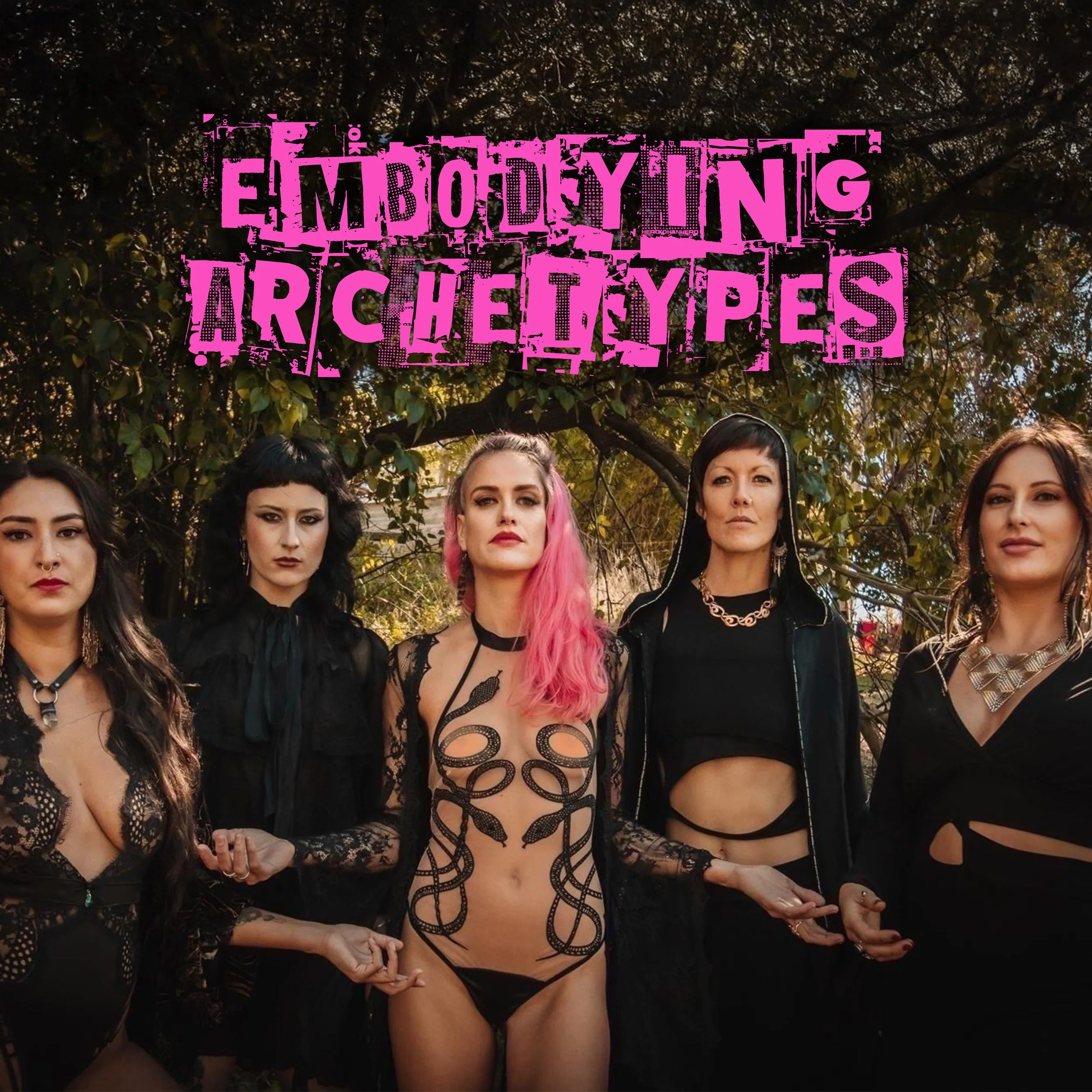
Earlier this year I went on an extraordinary journey with Eclectica.... a deep dive into the Passage of Self, a ritual theatre process that culminated in a live stage performance across three days.
Every Tuesday evening, I stepped into ceremony, into ritual, into unraveling. Layer by layer, I peeled back the versions of myself I thought I had to be... the ones polished for acceptance, compressed for comfort, hidden to stay "safe."
One of the most powerful discoveries has been consciously connecting with different arechetypes. Archetypes that have helped unlock powerful aspects of myself that have been waiting to be seen.
Through role play, through movement, through embodying these energies, I’ve met parts of myself I had long suppressed. The Creative Rainbow Mother has risen... ready to hold and nurture the Giddy Garden community with colour, vibrancy, and fierce love. (Though my inner Maiden, who is playful and rebellious, has whispered doubts, afraid that stepping into the Mother might mean losing my wildness.... but it doesn't. It combines all of these.)
Other archetypes have come roaring forward too:
🌿 The Wild One — untamed, ferocious, unapologetically alive.
🌿 The Witch — powerful, intuitive, instinctual, the wise medicine woman, living an unapologetic existence outside the constraints of rigid social roles.
🌿 The Warrior — protector of boundaries, keeper of fierce self-respect, wielding healthy anger for action towards change.
🌿 The Whore — the embodied eros, the sacred sensuality, the one who claims pleasure without shame.
These are the parts of me (and maybe of you, too) that society taught us to suppress. Too wild. Too much. Not "lady-like." Not "polite."
But in denying them, I have realised, I was denying my own power. I became the people-pleaser. The one who silenced her intuition. The one who tiptoed around her desires, her no’s, her deep knowing. The one who let life happen to her, instead of moving in deliberate, soulful steps.
Costumes, archetypes, and role play aren’t just for performance. They are portals. They are permission slips. They let us remember ourselves... not who we were told to be, but who we have always been underneath.
Through embodying these archetypes, I am learning to stand taller, speak clearer, move wilder, and live more truthfully. Not shrinking. Not apologising. Not fragmenting myself to fit into a world too small for the fullness of who I am.
Photo credit: @ports_by_me
Models: Left to Right (@estherogilvie, @patty_smack, @thevelvetlilith, @giddygarden, @the.kinky.chef)
Speaking From the Heart: Scripts for Tough Talks

Here's a simple script that can turn difficult conversations into moments of honesty, kindness, and deeper connection.
As someone who can get fiery when I'm emotionally charged, someone who has had a tendency toward criticism and blame when I feel hurt or triggered, I've learned (the hard way) that the way we start a difficult conversation can completely change how it unfolds.
Using gentle, honest scripts like this has helped me have more productive, kind, and loving conversations, where care stays at the center, even when it's hard. It’s also made a huge difference in how people respond: when you speak with openness instead of blame, others are much more likely to stay receptive and connected, rather than shutting down or getting defensive.
Here is one of my favourite conversation starters that can help (inspired by John Gottman):
"When [this specific thing] happens, I feel [this specific emotion]. What I need is [this specific need]."
Example:
"When you cancel our plans last minute, I feel hurt and unimportant. What I need is to feel considered and respected when we make time for each other."
If you’re in relationship with someone who tends to be avoidant, defensive, or shut down when difficult conversations arise, even when you’re speaking with kindness and clarity, you’re not alone. Some people have deep conditioning that makes them hear “you’ve done something wrong” or “you’re not enough” no matter how gently the message is offered.
In those moments, it can help to precede your need or feeling with a sentence that softens their nervous system, reassures them of your care, and signals safety. Here are a few scripts that can help you set the stage before stepping into the deeper stuff:
"I want to share something with you, and I want you to know that I am bringing it up with compassion and love. My aim in sharing this is to feel closer and more connected to you."
"Can I share something that’s on my heart? I don’t need fixing or solutions, just your presence, curiosity and connection. Do you have capacity for that right now?"
"Before I say this, I want you to know that I love you and I’m bringing this up to try to create more closeness."
"I’ve got something I want to share with you and I've noticed in the past that when we talk about this stuff, it’s hard on both of us. I want to do it differently this time, can we try to stay connected while I share something vulnerable?"
"Can I check in, is now a good time for an honest heart chat? I’d love for us to be grounded and open before we dive in."
Becoming Your Own Lover

What if pleasure wasn’t something you had to wait for from someone else but something you could gift yourself, every single day?
For so long, I thought self-pleasure was just... masturbat!on. Genital touch. A quick release. Nothing more.
But the deeper I’ve gone into cultivating a self-pleasure practice, bringing in sensuality, slowness, and deep listening to my own desires, the more it’s opened up a whole new world. A deeper, richer understanding of pleasure. Of what I love. Of what lights me up.
Some of the most beautiful, sensual experiences I’ve ever had have been with myself, because who knows better where I want to be touched, how slow or soft I want to go, than me?
And it’s not just about sexual touch. Pleasure lives in the smallest, sweetest places:
🌿 The feeling of a breeze brushing against my skin when I walk in nature.
🌿 Running my fingertips over the rough bark of a tree, or the velvety softness of a leaf.
🌿 Inhaling the scent of crushed eucalyptus in my hands.
Most of the things we long for from lovers... the tenderness, the attention, the attunement, we can offer to ourselves, more intuitively than anyone else could.
We know the exact spot. The perfect pressure. The kind of touch that feels like being worshipped. The song we want to dance to. The kind of words our heart aches to hear.
And sometimes, it’s nice not to have to ask. Just to receive, without needing permission.
Some of my favorite acts of self-pleasure and self-love:
🎶 Singing love songs to myself.
💃 Dancing slowly, sensually, wildly... just for me.
💌 Writing myself love letters.
🍽️ Cooking meals that feel like a love offering.
🌿 Taking myself on adventures... big or small.
👗 Stripping slowly for myself in the mirror, savoring the art of being seen... by me.
All of these are acts of devotion. All of these are ways of remembering: I am already worthy of the love, the pleasure, the tenderness I seek.
✨ How do you honor yourself through self-pleasure or self-dating?
Photo credit: Vas Chakra Photography at Velvet Temple Eros' Church of Sluts
Learning to Feel Safe in Love
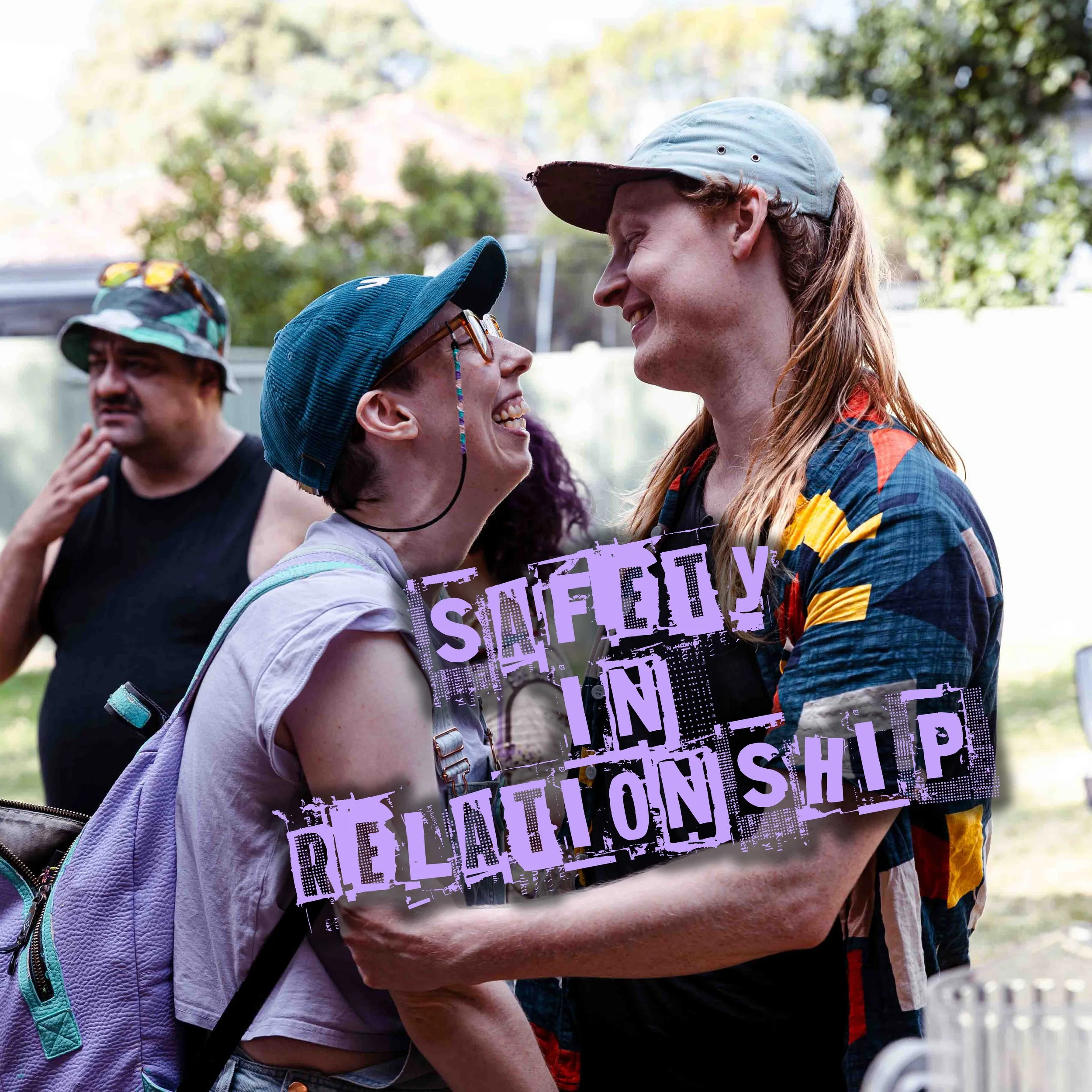
For anyone still learning how to feel safe in love... you are not alone. Here’s what secure attachment and feeling secure in yourself can feel like, from someone still finding their way.
For most of my life, I haven't known what secure love feels like. I lived in anxious attachment (and sometimes avoidance to protect myself)... people-pleasing, shrinking, bending myself into shapes that I thought would be chosen. I forgot about my own needs, or believed they didn’t matter. Boundaries...what were they? Somewhere deep down, I thought love was something I had to earn by giving others what they wanted, by abandoning parts of myself first, before they could. That if I wasn’t easy enough, selfless enough, accommodating enough… I would be abandoned.
I am still learning. Still re-mapping the old, tangled pathways inside me. But in the moments when I land in the safety of feeling secure in myself and relationships, when I feel it, it’s like stepping into a safe new world.
It’s the knowing that I can listen to my wants, desires, and needs. That I have autonomy, and still, I am loved. That love isn’t conditional on silencing myself.
Feeling secure and safe in love feels like safety to be soft and to be empowered. Safe to be seen. Safe to be me.
It’s knowing I don’t have to be suspicious about kindness, or brace for love to be taken away. It’s allowing my heart to stay open without fear. It feels like permission to need, to ask, to receive. It feels like tears being welcome, allowing myself to have boundaries and these being met.
In my mind, it’s the absence of that spinning, scrambling, desperate searching: "Did I say too much?" "Are they pulling away?" "Is it safe to rest here?"
Secure attachment doesn’t mean no misunderstandings in your relationships, no fears, no hard days. But it’s more resilient. It bends without breaking. It calls you closer, even when you feel messy or afraid. It says: "You don’t have to go through this alone."
Every time you choose openness and curiosity in your relationships over the armour of defensiveness or dismissal, you're weaving a new kind of belonging and deeper connection.
I’m not saying feeling secure is easy! We carry stories, wounds, and habits that can keep us looping. But it’s a goal worth working toward in our relationships, and something we all deserve to experience.
Photo credit: Vas Chakra Photography